

Iron On Patches for Clothes vs. Sew On Patches: Which Is Better
Choosing between iron on patches for clothes and sew on patches feels like it should be simple — until your first batch starts peeling after three washes. That moment of customer-complaint panic is something I've seen too many brand owners experience. The truth is, the right attachment method depends entirely on your specific situation.
Neither iron-on nor sew-on patches are universally "better." The best choice depends on your fabric type, how often the garment gets washed, and how the finished product will be used. In many professional applications, a hybrid approach — iron-on backing combined with edge stitching — actually delivers the strongest, most reliable result.
So how do you figure out which method fits your product? Let's walk through the key factors that actually matter in real-world production.
When Do Iron On Patches for Clothes Make Sense?
Iron-on patches are popular for a reason — they're fast and convenient. But convenience means nothing if the patch falls off after a few wears.
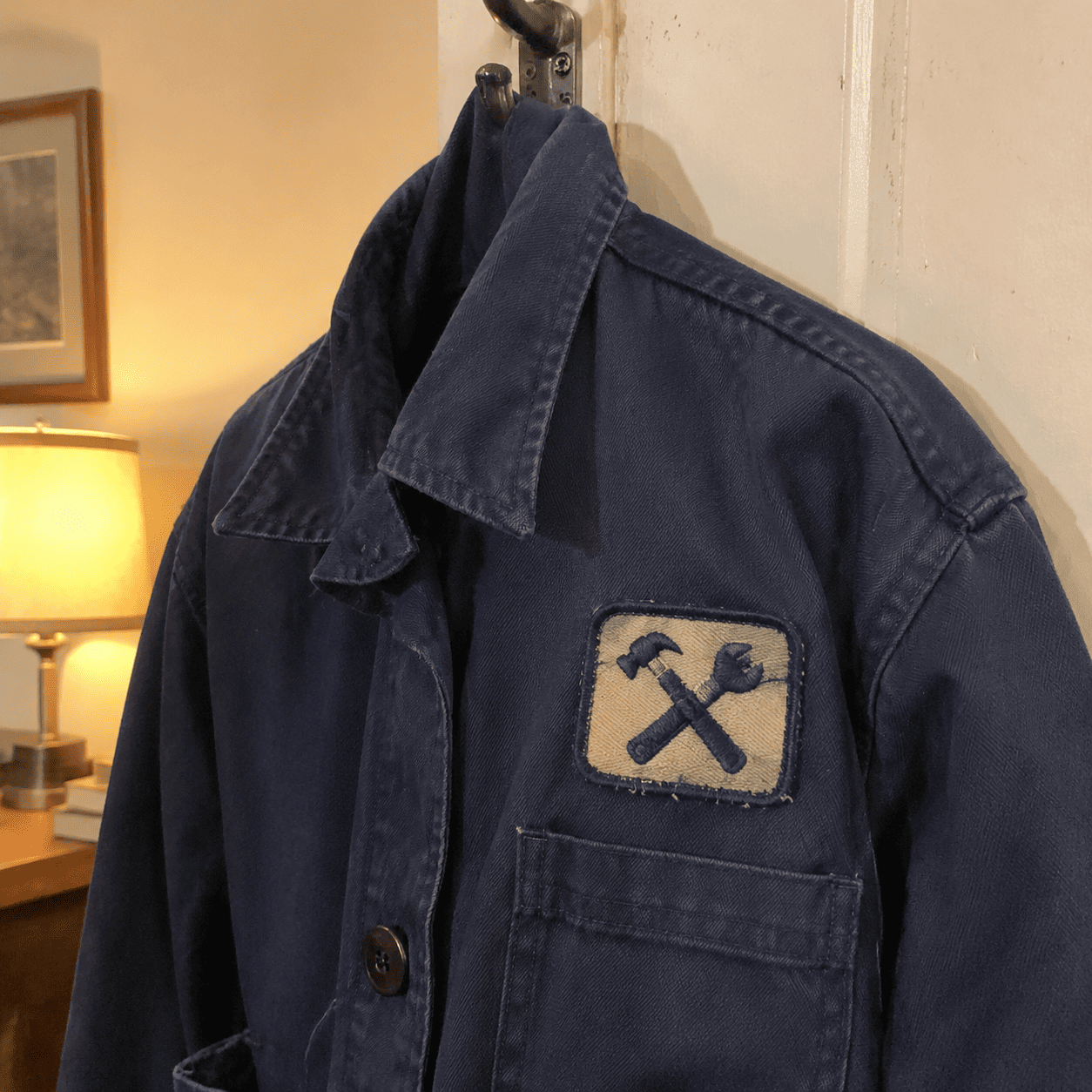
Iron-on patches work best on stable, heat-tolerant fabrics like cotton, denim, and canvas that won't be washed aggressively. They're ideal for promotional items, children's casual wear, and decorative applications where speed matters.
Where Iron-On Wins
In our production experience, iron-on patches shine in these scenarios:
- Low-wash promotional apparel — tote bags, event tees, branded caps
- Children's casual clothing — fun designs on cotton basics
- Fast-turnaround projects — no sewing skills or equipment needed
- Decorative patches on denim — jackets, jeans, backpacks
The heat-activated adhesive bonds quickly with a household iron or heat press1, making it a great option when your customer or end user needs a simple, no-fuss application.
Where Iron-On Fails
Here's what most articles won't tell you: iron-on adhesive has hard fabric limits. Clients frequently ask us why their patches peeled — and almost every time, it's a fabric compatibility issue.
Iron-on patches do not hold reliably on:
| Fabric Type | Why It Fails |
|---|---|
| Nylon / polyester blends | Can melt or warp under heat2 |
| Waterproof / coated fabrics | Adhesive can't bond to the coating3 |
| Stretch knits / spandex | Fabric movement breaks the adhesive bond4 |
| Leather / faux leather | Heat damages the surface5 |
| Loosely woven fabrics | Not enough surface area for adhesive grip6 |
If your garment falls into any of these categories, iron-on alone is not the answer. Period. This is the single biggest source of post-purchase complaints I see in our daily QC work.
When Should You Choose Sew On Patches Instead?
Sew on patches feel old-school, but they solve problems that adhesive simply can't. If durability under stress is your priority, stitching is often the safer bet.
Sew on patches are the better choice for high-wash garments, technical fabrics, outerwear, and any product where long-term durability directly affects your brand reputation.
Where Sew-On Wins
After delivering thousands of patch orders for workwear brands and outdoor apparel companies, we've observed that sewing outperforms adhesive in these situations:
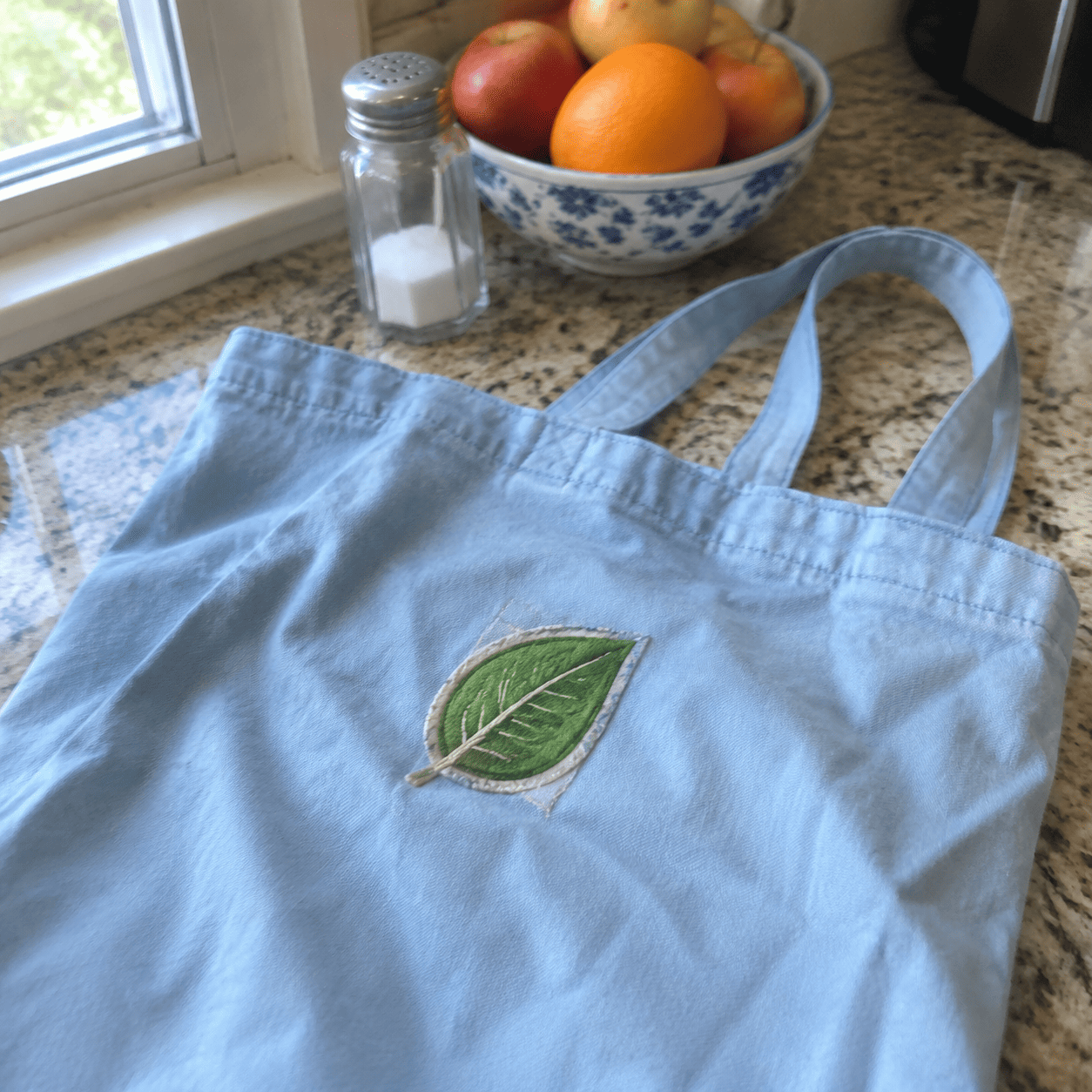
- Workwear and uniforms — washed frequently, sometimes industrially
- Outerwear and jackets — exposed to rain, movement, friction
- Activewear and stretch fabrics — needs to flex without detaching
- High-end fashion pieces — where a clean, permanent finish matters
Stitching creates a mechanical bond that moves with the fabric. It doesn't care about heat tolerance or surface coatings. That's a huge advantage on tricky materials.
The Downsides
Sew-on isn't perfect either:
- Requires sewing equipment or skills — not DIY-friendly for end consumers
- Slower in production — adds time per unit
- Can leave needle holes — an issue on delicate or lightweight fabrics
For brands selling to consumers who apply patches themselves, sewing creates a friction point. Not everyone owns a sewing machine.
Is the Hybrid Method the Real Answer?
Most "iron-on vs. sew-on" articles treat this as an either/or decision. In professional garment production, it rarely is.
The hybrid method — iron-on adhesive backing plus perimeter stitching — combines the positioning ease of heat-seal with the long-term strength of thread. This is our most common recommendation for clients who need both production efficiency and wash durability.
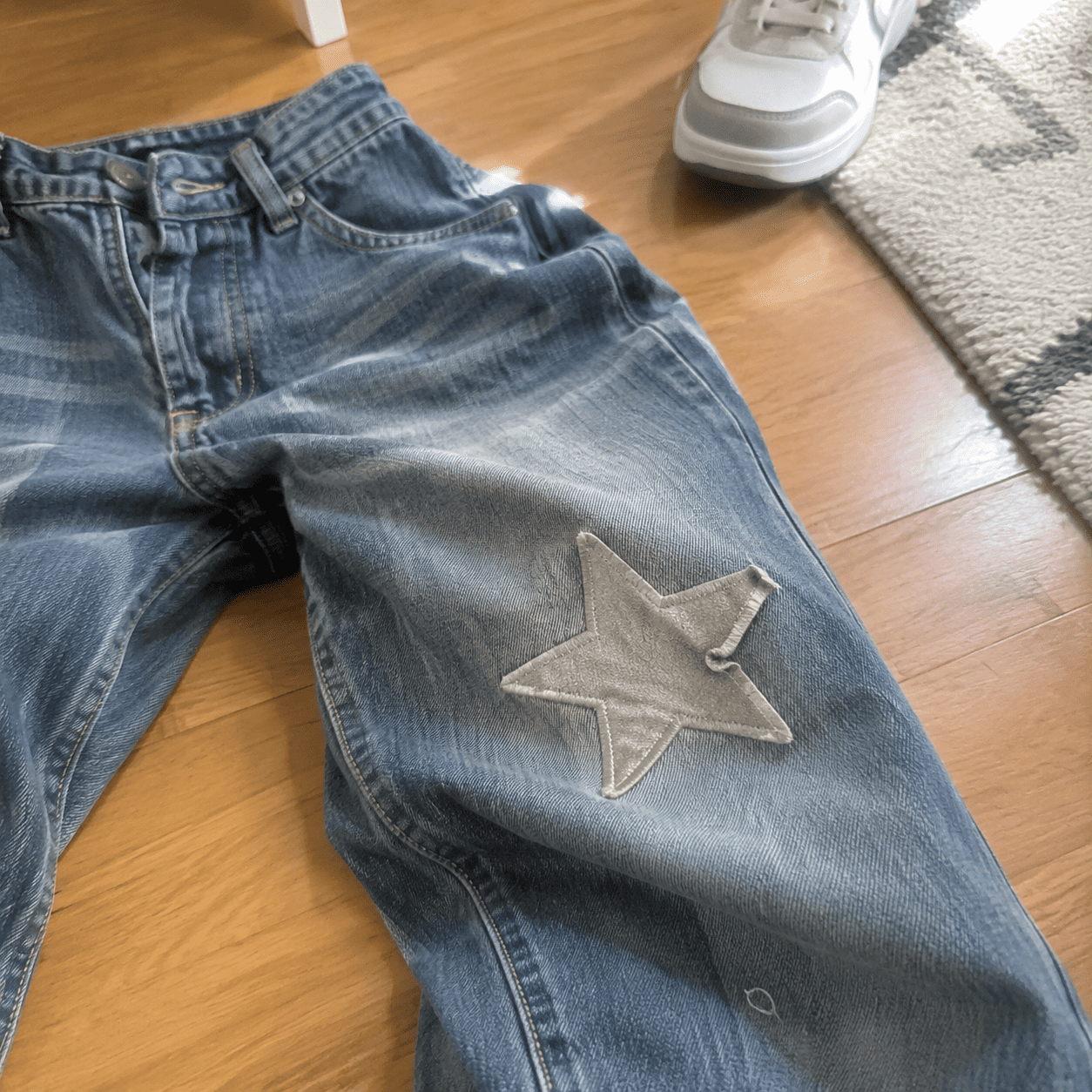
Here's how it works in practice:
- Iron-on backing holds the patch in position — no pinning, no shifting during sewing
- Edge stitching locks it permanently — survives repeated washing and physical stress
- The combination handles fabric movement — adhesive alone would crack; stitching alone might shift during application
This hybrid approach is standard in workwear, military uniforms, and premium fashion7. If you're producing garments at scale and need zero customer complaints about patch durability, this is the method to specify with your manufacturer.
Pro tip: When requesting quotes, ask your supplier whether the patch price includes heat-seal backing. Adding it later costs more than building it in from the start.
How Do You Decide Which Method Fits Your Product?
Stop thinking "which is better" and start thinking "which survives my product's real conditions." Here's a quick decision framework:
| Your Situation | Recommended Method |
|---|---|
| Cotton/denim, low wash frequency | Iron-on |
| Nylon, waterproof, or stretch fabric | Sew-on |
| High-wash workwear or uniforms | Hybrid (iron-on + stitching) |
| Consumer-applied decorative patches | Iron-on |
| Premium fashion or outerwear | Sew-on or hybrid |
| Children's everyday clothing | Iron-on (with parent-friendly instructions) |
Frequently Asked Questions
Do iron on patches for clothes survive machine washing?
On compatible fabrics like cotton and denim, iron-on patches generally survive regular home washing. However, durability drops significantly with hot water, tumble drying, and frequent wash cycles8. For garments washed more than once a week, consider adding edge stitching.
Can you iron on a patch to polyester?
It's risky. Many polyester fabrics are heat-sensitive and can warp or melt under the temperatures needed for proper adhesive bonding9. Always test on a hidden area first. For polyester-heavy garments, sew-on or hybrid methods are safer choices.
How long do sew on patches last?
When properly stitched with quality thread, sew-on patches can last the entire lifespan of the garment10. The patch itself may outlast the fabric it's attached to. Thread quality and stitch density matter more than most people realize11.
Is it worth paying more for the hybrid method?
For any product where returns or customer complaints about peeling patches would cost you more than the extra manufacturing step, yes. The added cost per unit is typically small compared to the cost of a single return or negative review.
Conclusion
The debate between iron on patches for clothes and sew on patches doesn't have a single winner. Your fabric, wash frequency, and end-use scenario determine the right call. Iron-on works beautifully on heat-tolerant fabrics with light washing. Sew-on handles tough conditions and tricky materials. And the hybrid method — often overlooked — delivers the best of both worlds for professional-grade results.
Not sure which attachment method fits your fabric? Send us a swatch and your product details. We'll assess compatibility and recommend the right approach before you commit to sampling — so you avoid the kind of surprises that lead to returns. Reach out to our team anytime.
"Has anyone ever had an iron on patch melt : r/sewing", https://www.reddit.com/r/sewing/comments/xcl89p/has_anyone_ever_had_an_iron_on_patch_melt/. Iron-on textile patches commonly employ thermoplastic hot-melt adhesive films—typically polyamide, polyester, or polyethylene-based—that activate at temperatures between 130–170°C, flow into the fabric surface under pressure, and resolidify upon cooling to create an adhesive bond. Evidence role: definition; source type: research. Supports: Iron-on patches typically use thermoplastic hot-melt adhesive films that liquefy under heat and solidify upon cooling to form a bond with the substrate fabric.. Scope note: Adhesive formulations vary by manufacturer; the described mechanism applies to the most common commercial iron-on products but specialty adhesives may differ. ↩
"Polyester", https://en.wikipedia.org/wiki/Polyester. Synthetic fibers such as nylon (melting point approximately 220°C) and polyester (approximately 260°C) are susceptible to thermal damage at temperatures commonly used in heat-press applications, which typically range from 150–205°C depending on adhesive type (see textile fiber properties references in standard textile engineering sources). Evidence role: mechanism; source type: encyclopedia. Supports: Nylon and polyester have relatively low melting points (nylon ~220°C, polyester ~260°C) that can be reached or approached by heat press temperatures used for iron-on adhesive bonding.. Scope note: Exact damage thresholds vary by fiber blend, fabric weight, and heat press duration, so the claim is directionally supported rather than universally precise. ↩
"Water Repellent Coating in Textile, Paper and Bioplastic ...", https://pmc.ncbi.nlm.nih.gov/articles/PMC11479018/. Surface coatings such as DWR (durable water repellent) treatments and polyurethane waterproof membranes significantly reduce the surface energy of textile substrates, inhibiting the wetting and mechanical interlocking required for thermoplastic hot-melt adhesives to form durable bonds. Evidence role: mechanism; source type: research. Supports: Waterproof coatings and DWR treatments reduce fabric surface energy, preventing thermoplastic adhesives from wetting and bonding to the substrate.. Scope note: Some specialized adhesives are formulated for low-surface-energy substrates; the claim applies to standard iron-on adhesives but not necessarily to all industrial bonding solutions. ↩
"Cohesive Vs. Adhesive Failure And Common Fixes", https://www.appliedadhesives.com/blog/adhesive-failure-common-fixes/. Research on thermoplastic adhesive bonding in textiles indicates that rigid adhesive films exhibit poor fatigue resistance under cyclic deformation, leading to interfacial delamination on high-stretch substrates (see studies on textile lamination bond durability). Evidence role: mechanism; source type: research. Supports: Thermoplastic adhesive bonds are rigid once set and cannot accommodate the repeated elongation cycles of stretch fabrics, leading to delamination.. Scope note: Most published research focuses on industrial lamination rather than consumer iron-on patches specifically, so the mechanism is analogous rather than directly studied in this context. ↩
"Sweat-sensitive adaptive warm clothing - PMC - NIH", https://pmc.ncbi.nlm.nih.gov/articles/PMC12346341/. Genuine leather begins to shrink and harden at temperatures above approximately 80–100°C depending on tanning method, while PU and PVC synthetic leathers can soften, blister, or release volatile compounds at temperatures above 150°C—well within the range of standard heat-press settings for iron-on adhesives. Evidence role: mechanism; source type: encyclopedia. Supports: Leather and faux leather (PU/PVC) materials are heat-sensitive and can scorch, discolor, or deform at temperatures used for iron-on adhesive activation.. Scope note: Exact damage thresholds depend on leather type, tanning process, and synthetic formulation; the general heat sensitivity is well-documented but specific tolerances vary. ↩
"Influence of Simple and Double-Weave Structures on ... - PMC", https://pmc.ncbi.nlm.nih.gov/articles/PMC8876807/. Studies on textile adhesive bonding demonstrate that bond strength is positively correlated with fabric surface coverage and yarn packing density, as loosely woven or open-mesh fabrics provide insufficient contact area for the adhesive to achieve adequate peel and shear resistance. Evidence role: mechanism; source type: research. Supports: Adhesive bond strength on textiles correlates with the contact surface area between the adhesive film and the fabric; loosely woven fabrics with large inter-yarn gaps reduce effective contact area.. Scope note: Most research examines industrial lamination adhesives rather than consumer iron-on patches specifically, though the underlying surface-contact principle applies broadly. ↩
"Patch Attach", https://beaconadhesives.com/products/patch-attach. U.S. military uniform regulations (e.g., AR 670-1 for the Army) specify that unit patches and insignia be sewn onto uniforms, and many military-grade patches are manufactured with heat-seal backing to facilitate precise positioning before stitching. Evidence role: case_reference; source type: government. Supports: Military specifications for uniform insignia attachment often require both adhesive backing and perimeter stitching to ensure durability under field conditions.. Scope note: Military specifications vary by branch and country; the claim about premium fashion being 'standard' is harder to verify through public specifications. ↩
"Ultimate Guide to Iron On Adhesive for Fabric", https://www.maggieframes.com/blogs/embroidery-blogs/ultimate-guide-to-iron-on-adhesive-for-fabric. Textile adhesive bond testing (e.g., per AATCC and ISO laundering durability methods) shows that hot-melt adhesive peel strength on fabric substrates decreases measurably after repeated wash cycles, with higher water temperatures and mechanical agitation accelerating bond degradation. Evidence role: statistic; source type: research. Supports: Thermoplastic adhesive bonds on textiles degrade progressively with repeated laundering, particularly at elevated wash temperatures and with mechanical tumble drying.. Scope note: Specific degradation rates depend on adhesive formulation, fabric type, and wash conditions; the general trend is well-established but quantitative thresholds vary across products. ↩
"Care Labeling of Textile Wearing Apparel & Certain Piece ...", https://www.ftc.gov/legal-library/browse/rules/care-labeling-textile-wearing-apparel-certain-piece-goods-text. International textile care labeling standards (ISO 3758) specify a maximum ironing temperature of approximately 110°C for polyester fabrics, whereas commercial iron-on patch adhesives commonly require activation temperatures of 150–170°C, indicating a significant mismatch that risks fabric distortion or surface damage. Evidence role: general_support; source type: institution. Supports: Standard textile care guidelines recommend low iron temperatures (around 110°C) for polyester, while iron-on adhesives typically require 150–170°C, creating a risk of fabric damage.. Scope note: Some iron-on adhesives are formulated for lower activation temperatures, and polyester blends vary in heat tolerance; the risk is real but not universal across all polyester products. ↩
"The effects of different fabric types and seam designs on the ...", https://commons.emich.edu/cgi/viewcontent.cgi?article=1052&context=honors. Textile durability research indicates that properly constructed sewn seams using industrial-grade polyester or nylon thread can withstand several hundred laundering cycles without significant strength loss, aligning with or exceeding the typical functional lifespan of most garment fabrics. Evidence role: general_support; source type: research. Supports: Mechanically stitched textile attachments, when using appropriate thread and stitch parameters, can maintain structural integrity through hundreds of wash cycles matching or exceeding typical garment lifespans.. Scope note: Actual patch longevity depends on thread type, stitch density, fabric condition, and laundering severity; the claim is reasonable for well-constructed applications but not guaranteed for all sewing methods. ↩
"Impact of stitch density on seam strength, seam elongation ...", https://www.academia.edu/59045054/Impact_of_stitch_density_on_seam_strength_seam_elongation_and_seam_efficiency. Textile engineering research consistently demonstrates that seam strength increases with stitch density up to an optimal point, and that thread tensile strength, abrasion resistance, and fiber composition significantly affect long-term seam durability under repeated laundering and mechanical stress (see ASTM D1683 and related seam strength testing standards). Evidence role: general_support; source type: research. Supports: Seam strength and durability in textiles are directly influenced by stitch density (stitches per inch) and thread tensile properties.. Scope note: These findings relate to general seam construction; direct studies on patch-specific stitch parameters are less common in the literature. ↩
0 Comments
Ask a question or share your garment accessories sourcing experience.