

Organic Cotton Labels: Material Benefits and Limitations for Apparel
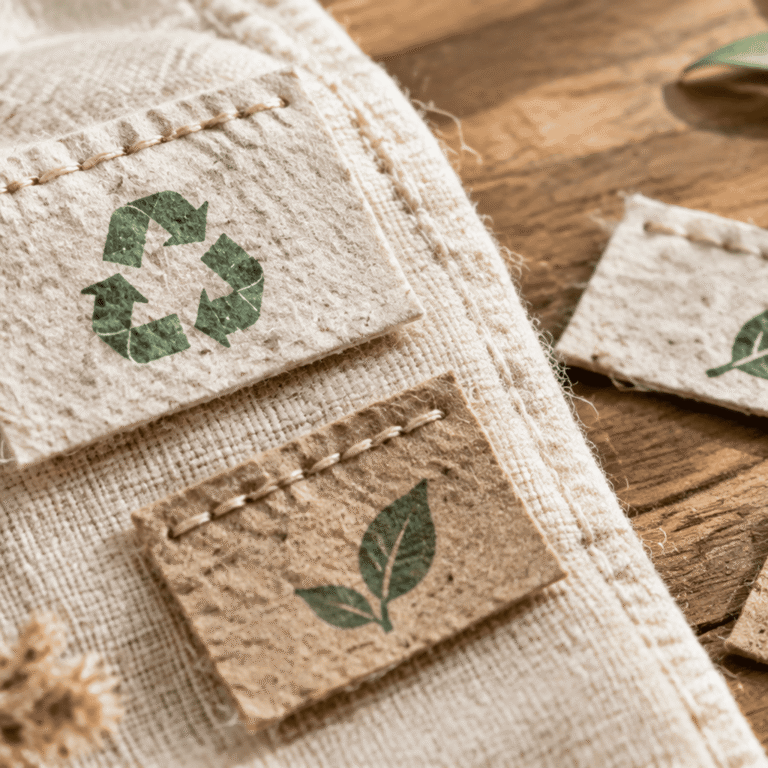
Choosing organic cotton labels sounds like a straightforward sustainability win — until you realize nobody told you about the shrinkage, the color limitations, or the certification minefield waiting on the other side. For brands building an eco-conscious identity, the decision deserves more than surface-level marketing copy.
Organic cotton labels offer genuine tactile softness and strong brand-storytelling value for sustainability-positioned apparel. However, they come with real trade-offs — lower color fastness after washing, higher shrinkage rates, a cost premium driven by certified sourcing rather than manufacturing complexity, and certification confusion that can create serious compliance risk if not carefully managed.
I've spent years producing both conventional and organic cotton labels for brands across 30+ countries. Let me walk you through what actually matters when you're evaluating this material for your trim spec.
How Do Organic Cotton Labels Actually Perform After Washing?
Here's the thing most suppliers won't mention upfront: organic cotton labels look and feel nearly identical to conventional cotton labels fresh out of the box. The differences show up later — in the wash.
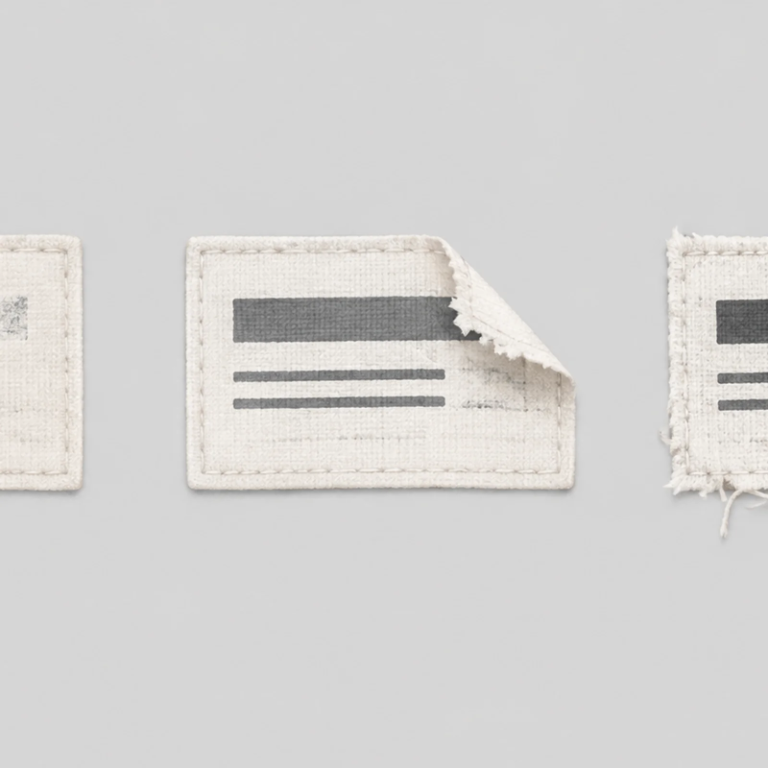
In our production experience, organic cotton labels typically show noticeably lower dye fastness and higher shrinkage compared to conventional cotton labels after repeated laundering. This isn't a quality defect — it's a material characteristic that requires planning.
What Should You Plan For?
When we sample organic cotton labels for clients, we consistently observe two things:
- Shrinkage: Organic cotton labels tend to shrink more than conventional ones. In our sample runs, we typically see roughly 3–5% shrinkage (this is our production observation, not a universal lab standard). We always recommend building in a pre-shrink allowance during the design phase.
- Color fastness: Darker and more vibrant colors fade faster. We generally advise clients to lean toward natural, earthy, or lighter tones that age gracefully rather than fighting the material's nature.
| Factor | Conventional Cotton Labels | Organic Cotton Labels |
|---|---|---|
| Initial look & feel | Soft, natural texture | Nearly identical |
| Shrinkage after washing | Lower | Noticeably higher |
| Color fastness | Better dye retention | Lower, especially dark shades |
| Design flexibility | Wide color palette | Best with restrained palettes |
Practical tip: If your brand identity relies on deep blacks or bright reds on labels, organic cotton may not be the best fit. But if you're going for a natural, understated aesthetic, it actually works beautifully.
This isn't about organic cotton being "worse." It's about matching the material to realistic design expectations.
Why Does the Price Premium Exist for Organic Cotton Labels?
Many buyers assume organic cotton labels cost more because they're harder to weave. That's not quite right.
The weaving and finishing process for organic cotton labels is essentially the same as conventional cotton. The cost premium comes from certified raw-material sourcing and chain-of-custody documentation — not from the loom itself.
What Are You Actually Paying For?
When we quote organic cotton labels versus conventional ones, the production cost difference is minimal. The real price drivers are:
- Certified organic yarn costs more than conventional yarn at the raw-material level
- Chain-of-custody documentation adds administrative overhead throughout the supply chain
- Smaller supply pools for certified organic materials mean less pricing flexibility
This reframes the buyer's question. Instead of "why is it expensive?" the better question is: "Is the certified sourcing and documentation value worth it for my brand positioning?"
For many DTC brands and fashion designers, the answer is yes — organic cotton labels support a credible sustainability narrative that resonates with end consumers. Just make sure you understand what you're paying for.
What's the Difference Between GOTS, OCS, and OEKO-TEX for Labels?
This is where things get genuinely confusing — and where real compliance risk lives.
GOTS and OCS certify organic fiber content and supply-chain traceability. OEKO-TEX® STANDARD 100 certifies the absence of harmful substances but says nothing about whether the cotton was organically grown. These are fundamentally different certifications that should never be treated as interchangeable.

An Honest Disclosure
I want to be transparent here: our company holds OEKO-TEX® STANDARD 100 certification. We do not hold GOTS or OCS certification. This means we can confirm our labels are tested and free from harmful substances, but we cannot independently certify organic fiber content through our own credentials.
| Certification | What It Certifies | What It Does NOT Certify |
|---|---|---|
| GOTS | Organic fiber content + processing standards + traceability | Absence of harmful substances (separate testing) |
| OCS | Organic fiber content + chain of custody | Processing or chemical standards |
| OEKO-TEX® STANDARD 100 | Absence of harmful substances in finished product | Whether cotton is organically grown |
Why this matters for buyers:
- If you need to make "organic" claims on your product, you need GOTS or OCS documentation from your supply chain
- If you need to ensure product safety (no harmful chemicals), OEKO-TEX addresses that
- Never assume one substitutes for another — I've seen buyers get into trouble conflating these
We always recommend buyers verify certifications directly and consult qualified compliance professionals before making organic marketing claims.
Can an Organic Cotton Label Make Your Garment "Organic"?
Short answer: absolutely not. This is a compliance landmine I see regularly.
Using organic cotton for your label alone does not entitle you to market the entire garment as "organic." The label is a trim component — the garment's organic status depends on the main fabric and the entire production chain meeting certified organic standards.
This distinction trips up DTC brands and Amazon sellers more often than you'd think. If your main fabric isn't certified organic but your labels are, you can say "organic cotton label" — but you cannot imply the garment itself is organic. Regulators and marketplaces are increasingly scrutinizing these claims.
Frequently Asked Questions
Are organic cotton labels worth the extra cost?
For brands with a genuine sustainability story and an audience that values it, yes. The cost premium is modest relative to total garment cost, and the brand-storytelling value can be significant. Just budget for the sourcing premium, not a manufacturing premium.
Do organic cotton labels look different from regular cotton labels?
Out of the package, they're nearly indistinguishable. The visible differences emerge after washing — primarily in color retention and slight dimensional changes. Designing with restrained color palettes minimizes this gap.
Can I use any certification logo on my organic cotton labels?
No. You can only display a certification mark if your supply chain holds that specific certification. Misuse of GOTS, OCS, or OEKO-TEX logos can result in legal action. Always verify certification status with the issuing body.
Conclusion
Organic cotton labels are a legitimate, valuable tool for brands committed to sustainable apparel — but they require informed decision-making. The material brings real trade-offs in color fastness, shrinkage, and design flexibility that demand upfront planning. The cost premium reflects certified sourcing, not manufacturing complexity. And certification boundaries between GOTS, OCS, and OEKO-TEX must be respected to avoid compliance risk.
If you're considering organic cotton labels for your next collection and want to understand exactly what's possible within your design and budget requirements, reach out to our team. We offer free samples and honest guidance — including telling you when a different material might actually serve your brand better.
0 Comments
Ask a question or share your garment accessories sourcing experience.