

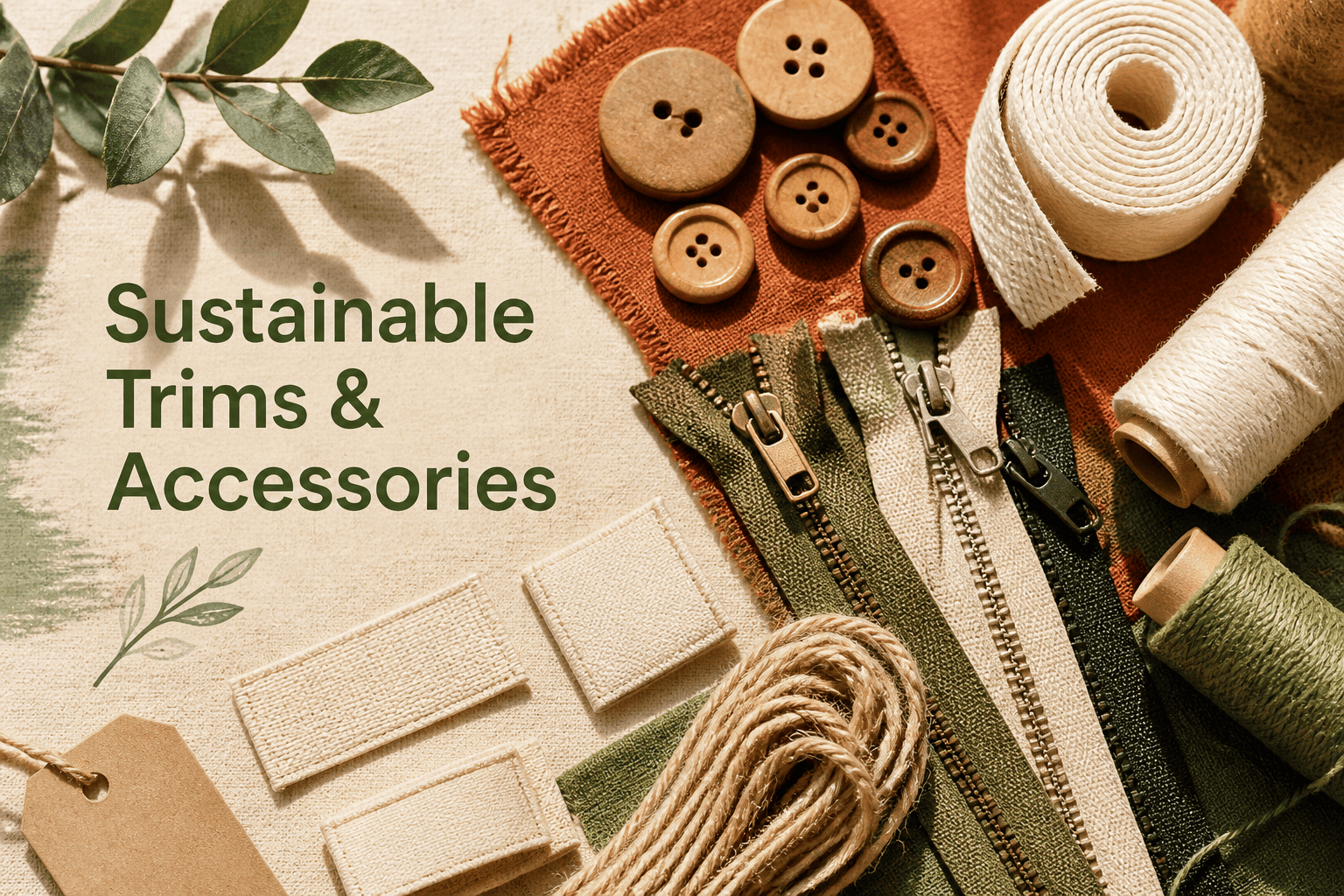
Trims and Accessories: Elevating Sustainable Garment Making
Choosing the right trims and accessories for a sustainable garment line is harder than most sourcing guides admit. You already know sustainability matters — the problem is that "sustainable trim" is not a single product you can click and buy. It's a set of overlapping decisions about materials, certifications, durability, and brand narrative that, when mishandled, lead to greenwashing exposure or outright product failure.
Trims and accessories elevate sustainable garment making when each component — woven labels, hang tags, patches, elastics, buttons — is selected to match the brand's specific sustainability claim, the garment's end-use scenario, and a verifiable certification framework. There is no universal "eco trim." The right choice depends on what story you are telling, what abuse the trim must survive, and whether you can prove the claim with auditable documentation.
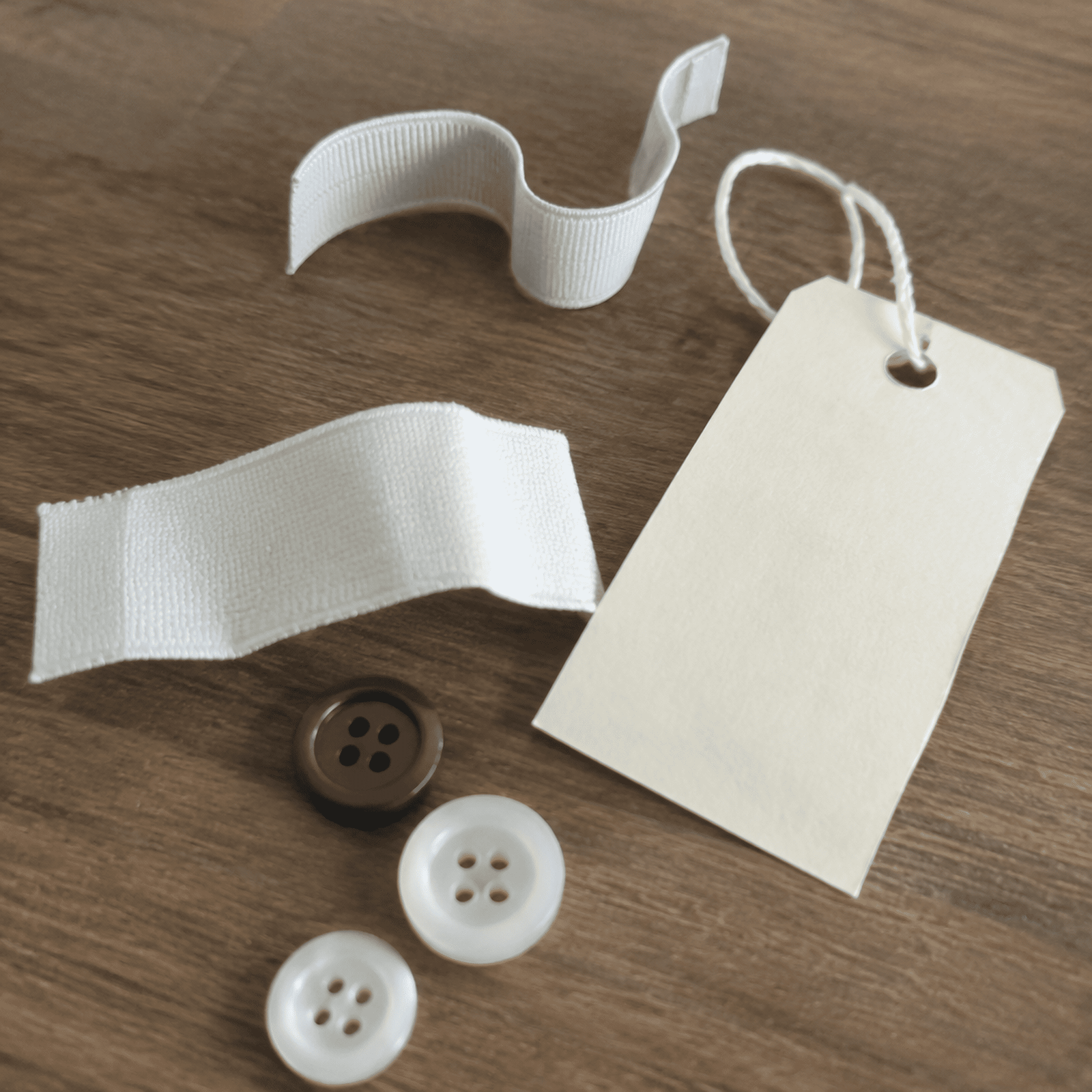
Below, I will walk through the decision framework we use when brands ask us how to start upgrading their trims and accessories toward credible sustainability — drawn from years of client consultations at our Guangzhou facility serving DTC brands, Amazon sellers, designers, and factories across 30+ countries. We will cover material-to-scenario matching, certification distinctions most buyers miss, real application breakdowns, and a low-risk way to begin without overhauling your entire supply chain.
Why Is "Sustainable" Not a Material but a Constraint Set?
One of the most common misconceptions I encounter in client calls is the assumption that sustainable trims and accessories are a material category — like choosing cotton over polyester. This framing leads to poor purchasing decisions almost every time.
Sustainability in garment trims is better understood as a constraint set: a combination of material composition, certification scope, production process, end-use performance requirements, and the specific environmental or social claim the brand intends to make. No single material satisfies all of these constraints simultaneously.
What Does the Constraint Set Actually Include?
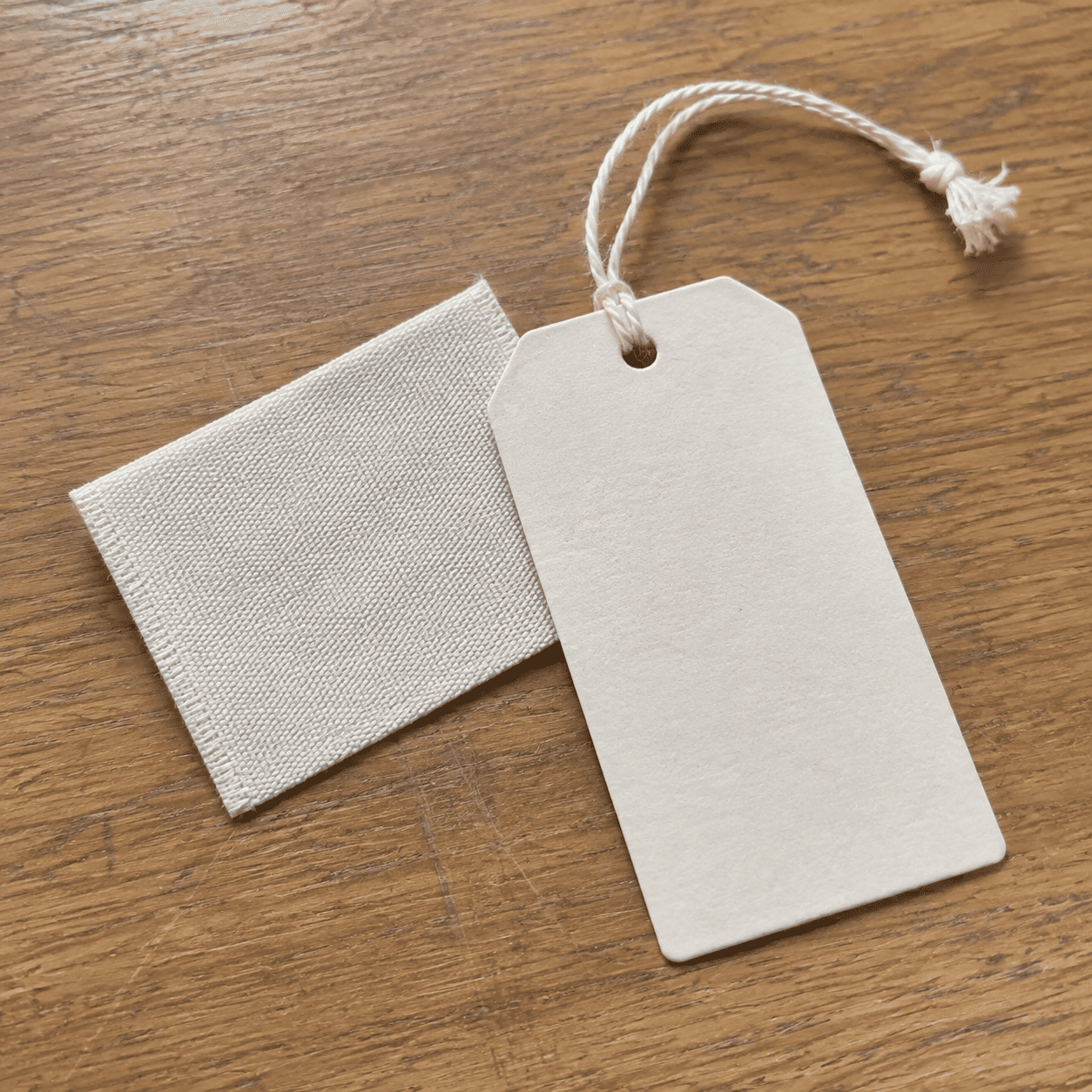
When brands ask us about sustainable labels or eco-friendly hang tags, the first question we ask back is: "What sustainability claim are you making to your end consumer?" The answer changes everything.
Here is a simplified breakdown of how common sustainable trim materials map to different claim types:
| Trim Type | Material Option | Primary Sustainability Claim | Relevant Certification | Key Limitation |
|---|---|---|---|---|
| Woven label | Recycled polyester yarn | Recycled content / waste diversion | GRS (Global Recycled Standard)1 | Does not certify chemical safety or organic content |
| Woven label | Organic cotton yarn | Organic agriculture / no synthetic pesticides | GOTS (Global Organic Textile Standard)2 | Lower wash durability vs. polyester in some weaves |
| Hang tag | FSC-certified paper | Responsible forestry / paper sourcing | FSC (Forest Stewardship Council) | Does not address printing inks or coatings |
| Leather patch | Vegetable-tanned leather | Reduced chemical processing | No single dominant certification; verify tannery claims | "Vegetable-tanned" is not a regulated term |
| Rubber/PVC patch | Bio-based TPU or silicone | Reduced petroleum dependence | Varies; OEKO-TEX® covers chemical safety | Bio-based % varies widely; verify feedstock claims |
| Elastic band | Recycled nylon/spandex blend | Recycled content | GRS for recycled component | Stretch recovery may differ from virgin material |
The point is not to memorize this table. The point is that each material solves a different problem under a different certification umbrella. A brand claiming "chemical-free trims" needs OEKO-TEX® STANDARD 1003 verification, not a GRS certificate. A brand claiming "recycled materials throughout" needs GRS-certified yarn in its woven labels, not just FSC paper on its hang tags.
The Greenwashing Trap
When brands treat sustainability as a material swap — "just give me the eco version" — they risk making claims their trims cannot actually support. I have seen brands receive recycled polyester labels and then market them as "chemical-safe" or "organic," which are entirely different claims. This is not intentional fraud; it is a knowledge gap. And it is exactly the kind of mismatch that consumer watchdog organizations and regulatory bodies are increasingly targeting4.
Key takeaway: Before selecting any sustainable trim, define the specific claim you want to make. Then work backward to the material, certification, and supplier verification that supports it.
How Does the Garment's End-Use Scenario Determine the Right Sustainable Trim?
Even after narrowing the sustainability claim, many procurement managers default to choosing the "greenest" material available — without evaluating whether that material will actually survive the garment's real-world use conditions. This is where I have seen the most costly mistakes in our client work.
A sustainable trim that degrades, fades, or detaches after a handful of washes does not just fail functionally. It actively undermines the brand's sustainability narrative. A customer who sees a fraying "eco" label after ten wash cycles does not think "well, at least the yarn was recycled." They think the product is low quality.
Scenario 1: Activewear
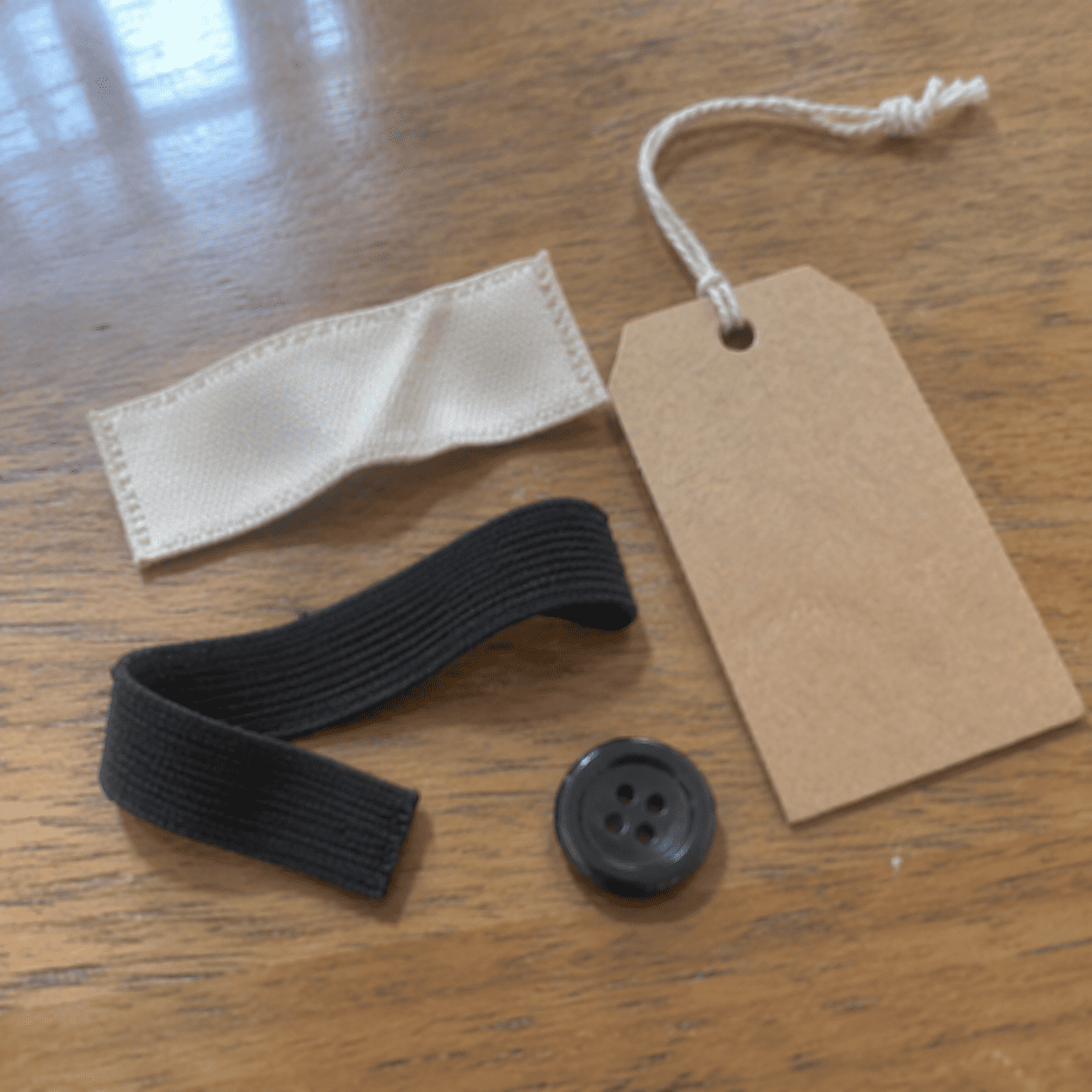
Activewear garments face frequent washing (often 50+ cycles per year5), exposure to sweat and detergent, and physical abrasion during exercise. Based on our experience supplying trims for activewear brands, here is what we typically recommend:
- Woven labels: Recycled polyester yarn with a tight damask weave. Polyester holds up under repeated washing far better than cotton alternatives. A GRS-certified recycled polyester label gives the brand a defensible "recycled content" claim without sacrificing wash durability.
- Heat transfer labels: Often preferable to woven labels in activewear because they eliminate the raised edge that can irritate skin during movement. Eco-friendly heat transfer films are available, though buyers should verify the ink and adhesive composition separately — the film being "eco" does not automatically mean the adhesive is.
- Elastics and drawcords: Recycled nylon blends exist, but stretch recovery should be tested at the sampling stage. We advise requesting a wash test sample before committing to production quantities.
Scenario 2: Streetwear
Streetwear garments are washed less frequently but undergo heavy visual scrutiny — the trims and accessories are often part of the aesthetic. Hang tags, woven labels, and embroidered patches are frequently visible design elements.
- Woven labels: Organic cotton labels can work here because wash frequency is lower. A GOTS-certified organic cotton label supports a "natural fibers" narrative.
- Hang tags: This is where FSC-certified paper excels. Streetwear hang tags are often elaborately printed and act as a brand touchpoint, so the paper stock and print quality matter as much as the certification.
- Embroidered patches and PVC/rubber patches: Bio-based TPU patches offer a credible alternative to traditional PVC6. However, "bio-based" percentages vary wildly — from 20% to 80% plant-derived content. Ask the supplier for a technical data sheet specifying the exact bio-based percentage.
Scenario 3: Childrenswear
Childrenswear adds a critical variable: chemical safety. Parents and retailers increasingly demand proof that trims in contact with children's skin are free from harmful substances.
- OEKO-TEX® STANDARD 100 certification becomes essential here — and it specifically tests for harmful substances in the finished product, which is a different scope than GRS (recycled content) or GOTS (organic agriculture).
- Woven labels: Soft-hand-feel labels with certified chemical safety. The weave and finishing matter as much as the yarn source.
- Buttons and snaps: Metal components should be tested for nickel release and lead content. This is a regulatory requirement in the EU and increasingly in the US market.
Scenario 4: Luxury Basics
Luxury basics — premium t-shirts, cashmere knitwear, elevated essentials — demand trims that feel premium. The sustainability story here often centers on "craftsmanship" and "natural materials" rather than "recycled content."
- Leather patches: Vegetable-tanned leather patches carry a luxury signal. But "vegetable-tanned" is not a standardized or regulated term. Buyers should request documentation of the tanning process from the tannery, not just from the trim supplier.
- Woven labels: High-density weave with fine-denier yarn, often in organic cotton or silk blends. The label must feel as premium as the garment.
- Metal trims (buttons, rivets, logo plates): Sustainability in metal trims often means sourcing from suppliers with responsible mining documentation or using recycled metals. This is an emerging area with fewer established certification frameworks, so due diligence is more manual.
Key takeaway: The "right" sustainable trim for your brand is scenario-dependent. Always test the sustainable alternative under the actual use conditions of the garment before scaling production.
What Do Garment Trim Certifications Actually Cover — And What Don't They?
Certification confusion is one of the biggest pain points I see in our client consultations. Many buyers treat certifications as interchangeable trust signals: "It has a cert, so it's sustainable." But each certification covers a specific, limited scope. Understanding those limits is not optional — it is the difference between a credible claim and a liability.
This matters even more because certificate fraud is a documented problem in the garment supply chain7. We have encountered situations where buyers showed us certificates from previous suppliers that were expired, issued for different products, or entirely fabricated. This is not an edge case; it is a known industry pain point that procurement professionals must actively manage.
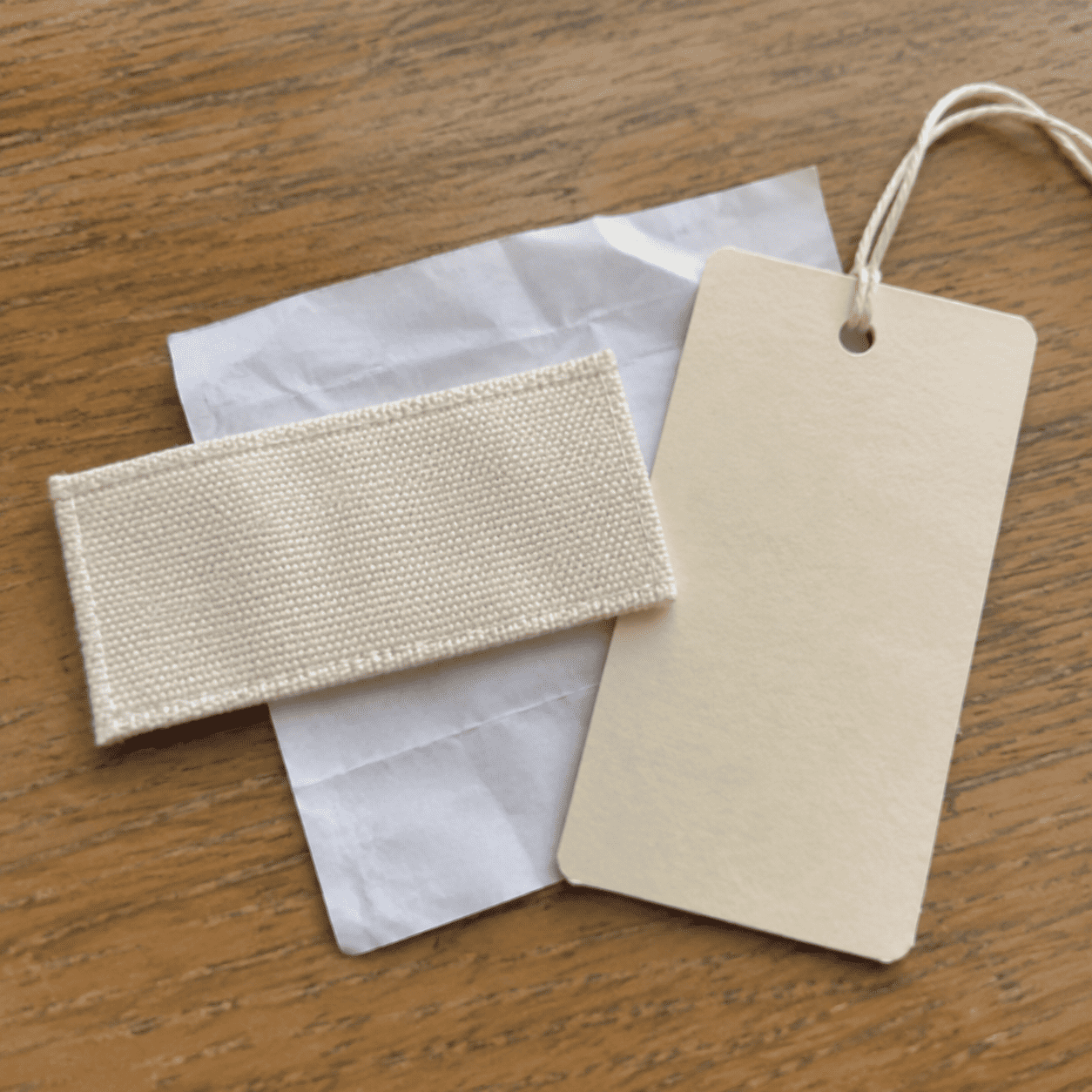
Certification Scope Comparison
| Certification | What It Covers | What It Does NOT Cover | Verification Method |
|---|---|---|---|
| OEKO-TEX® STANDARD 100 | Harmful substance testing on finished textile products; chemical safety for human use | Does not certify organic content, recycled content, or environmental production processes | Verify certificate number on the OEKO-TEX® website |
| GRS (Global Recycled Standard) | Recycled content verification, chain of custody, social/environmental practices in production | Does not certify chemical safety of the finished product or organic content | Verify on the Textile Exchange certificate database |
| GOTS (Global Organic Textile Standard) | Organic fiber content (≥70%), environmental criteria in processing, social criteria | Does not certify recycled content; limited to natural fiber products | Verify on the GOTS public database |
| FSC (Forest Stewardship Council) | Responsible sourcing of wood/paper-based materials | Does not certify printing inks, coatings, adhesives, or chemical safety | Verify on the FSC certificate database |
How to Verify — And Why You Must
Every one of these certification bodies maintains a public, searchable database where you can enter a certificate number and confirm it is valid, current, and issued for the specific product category your supplier claims. This takes five minutes. Based on our experience, I recommend making this verification step a standard part of your supplier qualification process.
Here is a practical verification checklist:
- Request the full certificate PDF — not just a logo or badge on a product page.
- Check the certificate number against the issuing body's public database.
- Confirm the scope — is the certificate issued for the specific product type you are purchasing, or for a different product line?
- Check the expiration date — certifications are time-limited and must be renewed.
- Cross-reference the certified entity — is the certificate issued to your direct supplier, or to a sub-supplier further up the chain?
A Word on Emerging and Niche Certifications
Beyond the four major frameworks above, you may encounter niche certifications like Bluesign®, Cradle to Cradle, or proprietary "eco" labels created by material suppliers. These are not inherently less valid, but they are less widely recognized by end consumers and retail compliance teams. If your target retail channel requires specific certifications (many major retailers publish approved certification lists8), confirm compatibility before selecting trims based on a less common standard.
Key takeaway: Never accept a certification at face value. Verify the certificate number, scope, and expiration directly with the issuing body. This is a five-minute task that can prevent significant brand and regulatory risk.
Can Small Brands Start Upgrading Trims and Accessories Without Overhauling Their Supply Chain?
This is the question I hear most often from emerging DTC brands and Amazon sellers. They want to make a genuine sustainability improvement, but they assume it requires committing to large minimum orders, long lead times, and a complete trim overhaul. That assumption is wrong — and it often delays action indefinitely.
The most effective approach we have seen in our client work is incremental, testable upgrades. Start with one SKU. Test one sustainable trim component. Validate it in production and in the market. Then expand.
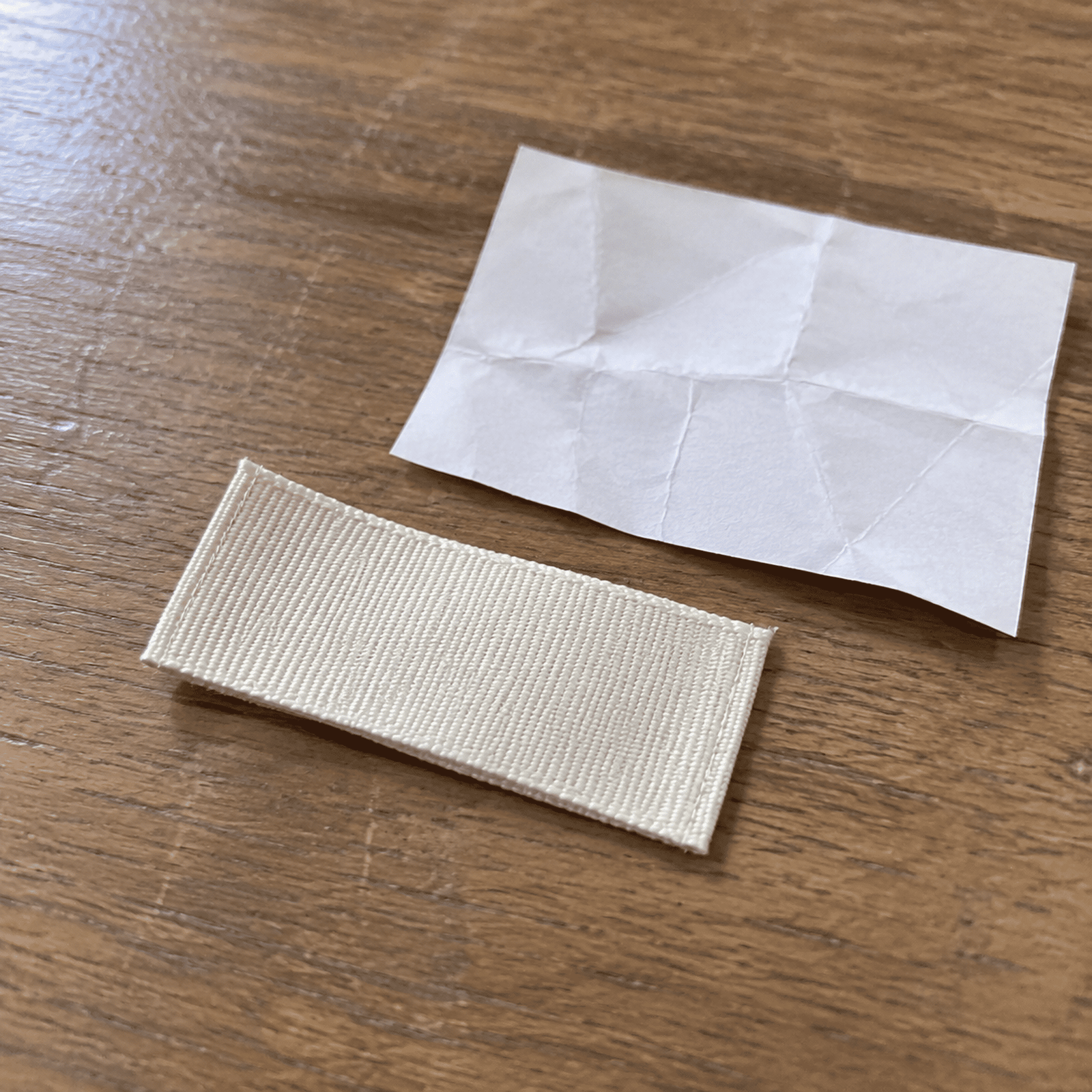
The Incremental Upgrade Framework
Here is a practical four-step process that has worked well for many of the brands we supply:
Step 1: Identify your highest-visibility trim. For most apparel brands, this is either the main woven label or the hang tag — the two trims your customer is most likely to see, touch, and photograph for social media.
Step 2: Request a sustainable alternative sample. A capable trim supplier should be able to produce a sample in 3–7 days with low or no minimum order requirement for sampling. This is where flexible MOQ policies matter: you should not need to commit to 10,000 pieces to test a concept.
Step 3: Test under real conditions. For woven labels, this means wash testing. For hang tags, this means print quality and material feel evaluation. For elastics, this means stretch-and-recovery testing. Do not skip this step — I have seen brands skip sampling and discover durability issues only after a full production run shipped.
Step 4: Scale selectively. If the sustainable trim passes your quality and durability criteria, roll it into your next production order for that SKU. Then evaluate the next trim in your bill of materials.
Why This Works for Budget-Conscious Brands
The incremental approach has three advantages that matter for brands watching their cash flow:
- Lower risk: You are testing with samples and small orders, not committing to bulk inventory of an unproven material.
- Faster learning: You discover which sustainable trims genuinely work for your product category before making broad claims.
- Credible storytelling: Even upgrading one trim component — say, switching to GRS-certified recycled polyester woven labels — gives you a specific, verifiable claim to communicate to your customers. Specificity builds trust; vague "eco-friendly" claims erode it.
At our facility, we regularly support this kind of staged adoption. Our OEKO-TEX® STANDARD 100 certification covers our production, and we handle low-MOQ orders specifically to enable brands at this testing stage. But regardless of which supplier you work with, the principle holds: demand flexibility in sampling and minimum quantities so you can validate before you commit.
What to Upgrade First: A Priority Guide
| Trim Component | Upgrade Difficulty | Consumer Visibility | Recommended Starting Point? |
|---|---|---|---|
| Woven main label | Low–Medium | High | Yes — highest impact for effort |
| Hang tag | Low | High | Yes — easy to swap with FSC-certified paper |
| Care label / heat transfer | Medium | Medium | Second phase |
| Embroidered patch | Medium | Medium–High | Second phase (test wash durability) |
| Elastic / drawcord | Medium–High | Low | Third phase (functional testing critical) |
| Buttons / metal hardware | High | Varies | Third phase (limited recycled-metal certification options) |
Key takeaway: You do not need to overhaul your entire trim package at once. Start with your most visible, easiest-to-swap component. Test it. Prove it works. Then expand.
Frequently Asked Questions
What is the most important certification for sustainable garment trims?
There is no single "most important" certification — it depends on the claim you are making. OEKO-TEX® STANDARD 100 is essential for chemical safety claims. GRS covers recycled content. GOTS covers organic fibers. FSC covers paper-based trims. Match the certification to your specific sustainability narrative and verify it directly with the issuing body.
Can recycled polyester woven labels withstand frequent washing?
Yes, in our experience, recycled polyester woven labels perform comparably to virgin polyester labels in wash durability tests9. The recycling process does not significantly degrade the yarn's mechanical properties for typical label weave constructions. However, we always recommend requesting a wash-tested sample before committing to production quantities.
How do I know if a supplier's sustainability certificate is legitimate?
Every major certification body — OEKO-TEX®, GRS, GOTS, FSC — maintains a publicly searchable database. Request the full certificate PDF from your supplier, then verify the certificate number, scope, product category, and expiration date directly on the certification body's website. This is the single most effective step to protect against certificate fraud.
Are sustainable trims significantly more expensive than conventional options?
Cost premiums vary. FSC-certified hang tag paper typically carries a modest premium (5–15%) over conventional stock10. Recycled polyester woven labels are often within 10–20% of conventional labels at production scale. The most significant cost factor is usually MOQ flexibility and sampling fees, not the raw material itself. Working with a supplier offering low MOQ and fast sampling reduces the financial risk of testing.
Can I make sustainability claims based on just one eco-friendly trim component?
Yes — but the claim must be specific and accurate. Saying "Our labels are made from GRS-certified recycled polyester" is a defensible, verifiable statement. Saying "We use sustainable materials" based on a single trim swap is vague and potentially misleading. Specificity protects your brand from greenwashing accusations and builds genuine consumer trust.
Conclusion
Trims and accessories are not a footnote in sustainable garment making — they are a specific, testable, and increasingly scrutinized part of a brand's environmental credibility. The key takeaways: sustainable trims are a constraint set, not a material category. The right choice depends on your garment's end-use scenario. Certifications must be verified, not assumed. And you can start small — one trim, one SKU, one validated improvement at a time.
If you are a brand manager or procurement professional evaluating your trim supply chain, I encourage you to start with the highest-visibility component, request certified samples, and verify every claim independently. Our team at Guangzhou Zhunming handles these consultations daily — from material recommendations to certification guidance to rapid sampling. Reach out to our customer service team to discuss which sustainable trims and accessories fit your specific brand requirements and garment categories.
"Global Recycled Standard (GRS)", https://textileexchange.org/knowledge-center/materials/global-recycled-standard-grs/. The Global Recycled Standard, administered by Textile Exchange, tracks recycled input materials through a chain-of-custody system and includes requirements for social and environmental practices and chemical restrictions in production, though it is not designed as a finished-product chemical safety certification comparable to OEKO-TEX® STANDARD 100. Evidence role: definition; source type: institution. Supports: GRS verifies recycled content through chain of custody tracking and includes social and environmental processing requirements, but does not function as a chemical safety certification for finished products.. Scope note: GRS does include some chemical restrictions in its processing requirements, so the distinction from chemical safety testing is a matter of scope and emphasis rather than a complete absence of chemical criteria. ↩
"GOTS (Global Organic Textile Standard) version 7.0", https://global-standard.org/images/resource-library/documents/standard-and-manual/GOTS_7.0__SIGNED_.pdf. According to the Global Organic Textile Standard (GOTS), products labeled 'made with organic' must contain a minimum of 70% certified organic fibers, while the 'organic' label grade requires at least 95%; the standard also mandates environmental criteria for wet processing and social compliance based on ILO conventions. Evidence role: definition; source type: institution. Supports: GOTS requires a minimum of 70% certified organic natural fibers and sets environmental and social criteria for textile processing.. ↩
"Oeko-Tex", https://en.wikipedia.org/wiki/Oeko-Tex. OEKO-TEX® STANDARD 100, administered by the International Association for Research and Testing in the Field of Textile and Leather Ecology (OEKO-TEX® Association), tests textile products at all processing stages for regulated and non-regulated harmful substances, including pesticides, heavy metals, formaldehyde, and phthalates, with limit values calibrated to the product's intended skin contact level. Evidence role: definition; source type: institution. Supports: OEKO-TEX® STANDARD 100 is a product-level certification that tests finished textiles and textile components for harmful substances based on an annually updated criteria catalog.. ↩
"Green Guides", https://www.ftc.gov/news-events/topics/truth-advertising/green-guides. The European Commission's proposed Green Claims Directive (2023) and the U.S. Federal Trade Commission's Green Guides establish frameworks for substantiating environmental marketing claims, with increasing enforcement attention directed at the textile and fashion sectors. Evidence role: general_support; source type: government. Supports: Regulatory bodies such as the EU and FTC have introduced or strengthened rules targeting unsubstantiated environmental claims in the textile and fashion industry.. Scope note: These regulatory frameworks address broad sustainability claims rather than garment trims specifically. ↩
"An empirical study of U.S. consumer purchase intention of ...", https://rex.libraries.wsu.edu/esploro/outputs/graduate/An-empirical-study-of-US-consumer/99900525075801842. Consumer laundry behavior studies, including research by Procter & Gamble and academic textile care surveys, indicate that frequently worn activewear items may be laundered after each use, resulting in annual wash cycles well exceeding those of casual or formal garments. Evidence role: statistic; source type: research. Supports: Activewear garments are washed significantly more frequently than other clothing categories, with estimates suggesting 50 or more wash cycles per year for regularly worn items.. Scope note: Exact wash frequency varies widely by individual consumer behavior, climate, and garment rotation; 50+ cycles is a reasonable estimate for regularly worn activewear but not a universal figure. ↩
"A Comparison of Ester‐ and Ether‐Based Bio‐TPUs With ...", https://pmc.ncbi.nlm.nih.gov/articles/PMC12449858/. Life cycle assessment studies and materials science literature indicate that thermoplastic polyurethane (TPU) avoids the dioxin-related incineration risks and phthalate plasticizer concerns of flexible PVC, while bio-based TPU variants further reduce fossil resource depletion by incorporating plant-derived polyols, though overall environmental benefit depends on feedstock sourcing and end-of-life management. Evidence role: mechanism; source type: paper. Supports: Bio-based TPU reduces dependence on petroleum-derived feedstocks and avoids the chlorine chemistry and phthalate plasticizer concerns associated with flexible PVC.. Scope note: Bio-based content percentages vary significantly across TPU products, and not all bio-based TPU formulations have been subject to published comparative LCA studies against PVC in trim applications specifically. ↩
"Clothing importers to pay $10 million settlement in customs ...", https://www.ice.gov/news/releases/clothing-importers-pay-10-million-settlement-customs-fraud-case. In 2022, the Global Organic Textile Standard (GOTS) and Textile Exchange acknowledged systemic issues with fraudulent organic cotton certificates originating from India, leading to mass revocations and enhanced audit protocols across the certification ecosystem. Evidence role: case_reference; source type: research. Supports: There have been documented cases of fraudulent organic cotton and recycled content certificates in the global textile supply chain.. Scope note: Most documented fraud cases involve raw fiber certifications rather than finished trim components specifically. ↩
"Sustainability Certification Organizations in the Fashion ...", https://fashionunited.com/i/sustainability-certification-organizations-in-fashion. Large retailers including Walmart, Target, H&M, and Inditex publish supplier compliance manuals that specify accepted third-party certifications (such as OEKO-TEX®, GOTS, and bluesign®) and restricted substance lists (RSLs) aligned with frameworks like AFIRM Group or ZDHC MRSL, which apply to trims and accessories as well as main fabrics. Evidence role: general_support; source type: other. Supports: Major apparel retailers maintain restricted substance lists and approved certification frameworks that suppliers must comply with.. Scope note: Specific certification requirements vary by retailer and are subject to periodic revision; suppliers should consult the most current version of each retailer's compliance manual. ↩
"Division of Sustainable Waste Management | Recycled Content", https://dep.nj.gov/dshw/swpl/recycled-content/. Research published in the Journal of Cleaner Production and similar materials science journals has found that mechanically recycled PET fibers retain tensile strength and abrasion resistance broadly comparable to virgin PET, though some degradation in molecular weight may occur depending on recycling process parameters. Evidence role: mechanism; source type: paper. Supports: Recycled PET fibers retain comparable tensile strength and mechanical properties to virgin PET fibers in textile applications.. Scope note: Most studies examine recycled PET in fabric or fiber form rather than specifically in woven label constructions. ↩
"Sustainable Paper-Based Packaging: A Consumer's Perspective", https://pmc.ncbi.nlm.nih.gov/articles/PMC8151435/. Industry analyses and procurement surveys have generally reported FSC-certified paper premiums ranging from 5% to 20% over conventional stock, depending on paper grade, order volume, and regional supply availability. Evidence role: statistic; source type: research. Supports: FSC-certified paper products typically carry a modest cost premium over non-certified equivalents.. Scope note: Cost premiums are highly variable by market, supplier, and order scale; the cited range is indicative rather than universally applicable to hang tag paper specifically. ↩

0 Comments
Ask a question or share your garment accessories sourcing experience.